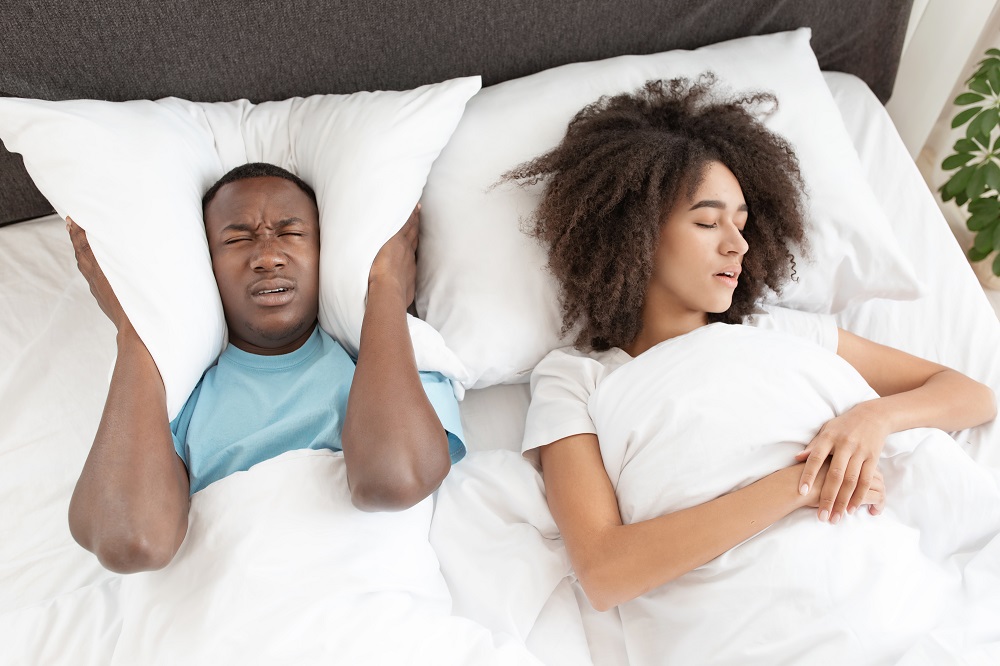


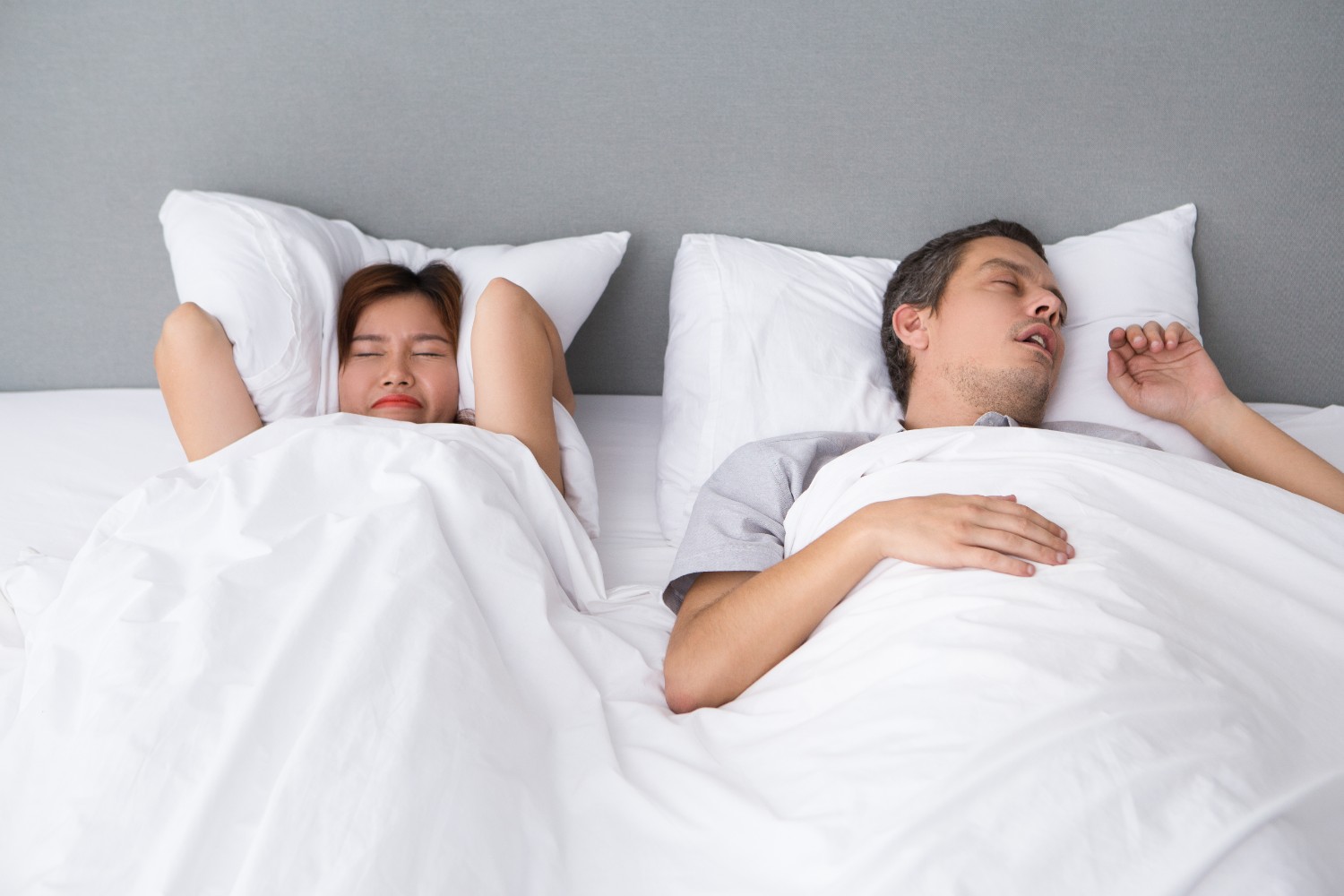
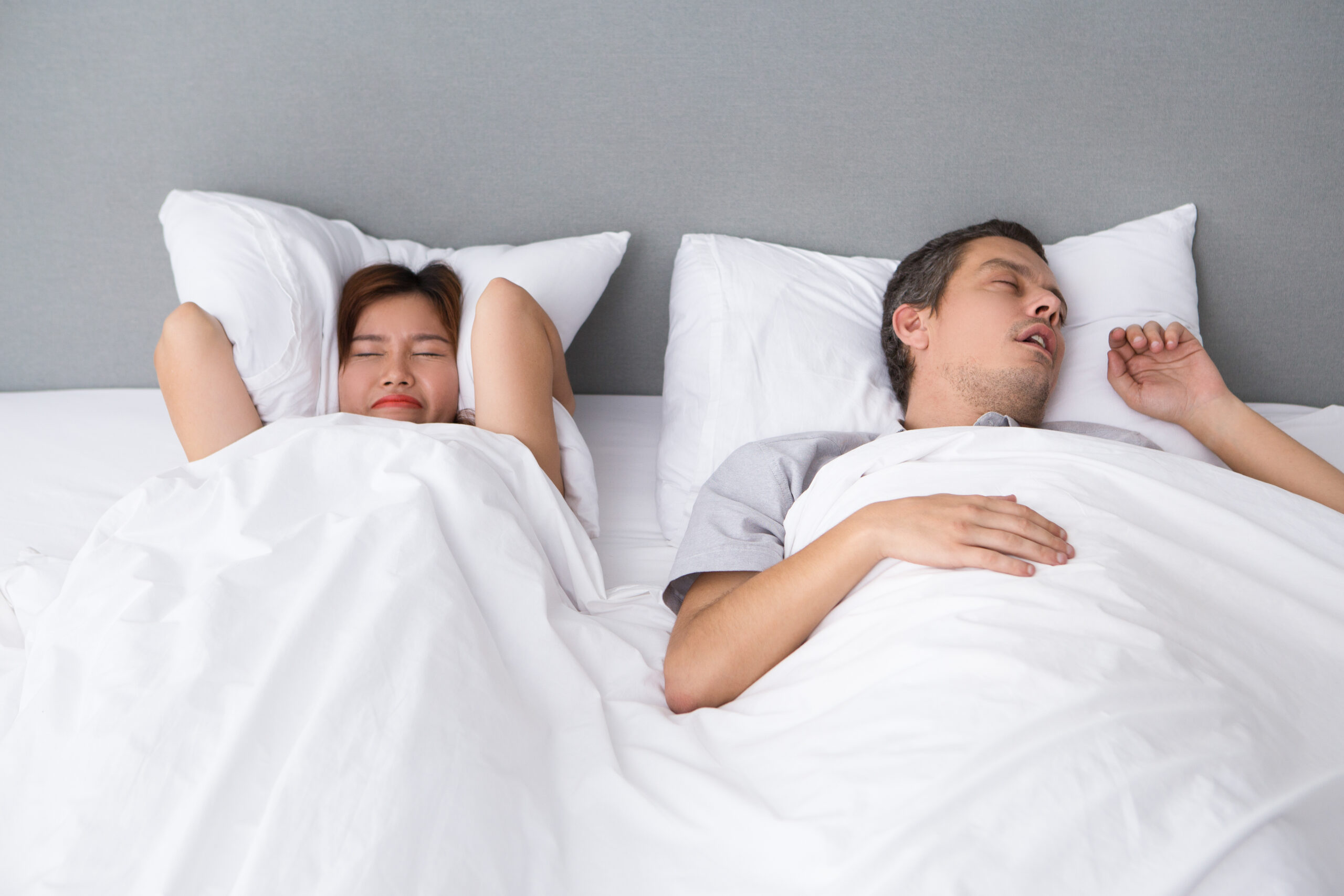
A good night’s sleep is essential for maintaining energy, concentration, and overall well-being. However, frequent snoring can interrupt sleep, affect relationships, and leave people feeling tired even after spending enough time in bed. While occasional snoring is common, persistent or unusually loud snoring may indicate an underlying breathing problem that deserves attention.
Finding the right Snoring Treatment in Chicago IL starts with understanding why snoring occurs and whether it is associated with obstructive sleep apnea. For some people, simple lifestyle changes may help reduce nighttime noise. Others may need professional evaluation to determine whether a dental appliance or another treatment approach is appropriate.
At Landman Dental Associates, patients can explore the role of dental care in managing snoring and sleep apnea. Understanding the possible causes and available treatment options can help patients make informed decisions about their sleep health.
Understanding the Causes of Snoring
Snoring occurs when airflow through the nose or throat becomes partially restricted during sleep. As the muscles and soft tissues relax, the airway may narrow, causing surrounding tissues to vibrate as air passes through. These vibrations create the familiar sound associated with snoring.
The causes can vary from person to person. Some people snore occasionally because of nasal congestion or their sleeping position, while others experience frequent snoring because of anatomical factors or an underlying sleep-related breathing disorder.
Several factors may contribute to snoring:
- Sleeping position: Lying on the back may allow the tongue and soft tissues to move towards the back of the throat, narrowing the airway.
- Nasal congestion: Allergies, sinus problems, and respiratory infections can make breathing through the nose more difficult.
- Relaxed throat muscles: The muscles surrounding the airway naturally relax during sleep, which may contribute to airway narrowing.
- Oral and jaw anatomy: The position of the jaw, size of the tongue, and structure of the palate can influence airflow.
- Alcohol consumption: Drinking alcohol close to bedtime may increase muscle relaxation and worsen snoring.
- Excess body weight: Additional tissue around the neck and upper airway can contribute to airway narrowing in some individuals.
Understanding these factors is an important step when exploring Snoring Treatment Chicago IL. A strategy that helps someone with nasal congestion may not be effective for someone whose snoring is associated with obstruction deeper in the throat.
When Snoring May Be a Sign of Sleep Apnea
Snoring does not automatically mean that someone has sleep apnea. However, frequent and loud snoring can be one of the signs of obstructive sleep apnea, a condition in which the upper airway repeatedly becomes partially or completely blocked during sleep.
These interruptions can reduce airflow and disturb normal sleep patterns. A person may briefly wake up or gasp for air without fully realising what has happened.
Other possible warning signs include:
- Repeated pauses in breathing noticed by a bed partner
- Waking up choking, gasping, or short of breath
- Feeling tired despite getting enough sleep
- Morning headaches or a dry mouth
- Difficulty concentrating during the day
- Excessive daytime sleepiness
Not everyone with sleep apnea experiences all these symptoms, and snoring can occur without the condition. Nevertheless, persistent snoring accompanied by breathing pauses or daytime fatigue should not be ignored.
Untreated obstructive sleep apnea is associated with health concerns, including high blood pressure and cardiovascular problems. Appropriate diagnosis and treatment can help address the breathing disorder and its potential consequences.
If sleep apnea is suspected, a physician or sleep specialist can determine whether a sleep study is necessary. A dentist can also identify oral features associated with sleep-disordered breathing and collaborate with medical professionals when dental treatment may be appropriate.
Practical Ways to Reduce Snoring
People often look for ways to prevent snoring before considering professional treatment. Certain lifestyle adjustments may help, particularly when snoring is related to sleeping position, congestion, or evening habits. However, these measures are not guaranteed to resolve persistent snoring and should not replace an evaluation when sleep apnea is suspected.
Adjust Your Sleeping Position
Sleeping on the back may allow the tongue and surrounding tissues to move backwards, reducing the space available for airflow. For some people, sleeping on the side can help maintain a more open airway and reduce snoring.
If you are wondering how to not snore, reviewing your sleeping position may be a useful starting point. Positional pillows or other positioning aids may help some individuals remain on their side throughout the night.
However, changing sleep position is not effective for everyone. People who continue to snore frequently or experience other symptoms of sleep apnea should seek professional guidance rather than relying on this adjustment alone.
Manage Nasal Congestion
Blocked nasal passages can make comfortable breathing more difficult during sleep. Allergies, sinus irritation, and temporary respiratory illnesses may contribute to congestion and increase the likelihood of snoring.
Depending on the cause, saline nasal rinses, reducing exposure to known allergens, or seeking medical advice about persistent congestion may help improve nasal airflow.
These measures may be useful when nasal blockage contributes to the problem, but they will not necessarily address obstruction in the throat. Understanding what can prevent snoring requires identifying which factors are affecting an individual’s breathing.
Review Evening Habits
Alcohol can relax the muscles around the airway and may make snoring more noticeable. Avoiding alcohol close to bedtime may help some people reduce this effect.
Sedating medications can also influence breathing during sleep. Anyone concerned about their medication should speak with their prescribing healthcare professional rather than stopping treatment independently.
Maintaining a regular sleep schedule and getting enough rest can support better sleep habits. At Landman Dental Associates, patients can explore suitable snoring treatment options based on their individual needs, as healthy sleep habits may help reduce snoring but may not eliminate it completely.
Maintain Healthy Daily Habits
For people who are overweight, gradual weight management through balanced nutrition and regular physical activity may help reduce snoring and improve obstructive sleep apnea symptoms. However, snoring can affect people of different body types, so weight should not be assumed to be the cause in every case.
The most suitable remedy of snoring depends on the individual. Lifestyle adjustments may help in certain situations, while persistent symptoms may require professional assessment and targeted treatment.
How Dental Appliances May Help With Snoring
Dental appliances can be useful for selected patients whose snoring is related to the position of the lower jaw and tongue during sleep. These custom-made devices are worn at night and designed to help maintain a more favourable position for airflow.
One common option is a mandibular advancement device. It gently positions the lower jaw forward, which may help keep the upper airway more open and reduce tissue vibration during sleep.
For suitable patients, this approach may form part of snoring treatment therapy. However, a device intended to manage simple snoring should not automatically be considered sufficient treatment for obstructive sleep apnea.
A dental assessment helps determine whether an oral appliance is appropriate. The dentist may examine the teeth, gums, jaw joints, bite, and oral structures before recommending a device. Existing dental concerns and individual anatomy can influence which appliance may be suitable.
Custom-fitted appliances also require follow-up to assess comfort and monitor potential side effects, including jaw discomfort or changes in the bite. Patients should report any problems so the appliance can be reviewed and adjusted when necessary.
At Landman Dental Associates, patients can discuss whether dental treatment may help address their snoring and whether further evaluation is needed.
Oral Appliance Therapy for Obstructive Sleep Apnea
Oral appliance therapy is an established treatment option for certain adults with obstructive sleep apnea. It is commonly considered for patients with mild to moderate disease and may also be an option for selected patients with more severe sleep apnea who cannot tolerate positive airway pressure therapy.
The process should begin with a medical diagnosis. A physician or sleep specialist evaluates the condition and helps determine which treatment is appropriate. If an oral appliance is recommended, a dentist can assess the patient’s oral health, arrange a custom-fitted device, and provide ongoing monitoring.
Unlike a standard mouthguard, an oral appliance for sleep apnea is designed to help manage airway obstruction. Its effectiveness depends on the patient’s condition, the device’s fit, and consistent use.
Positive airway pressure therapy, commonly known as CPAP, is another widely used treatment for obstructive sleep apnea. It delivers pressurised air through a mask to help keep the airway open during sleep.
For patients who struggle with CPAP, discussing alternatives with their physician may be helpful. A custom oral appliance may be appropriate in certain cases, but patients should not stop prescribed treatment without medical guidance.
When considering snoring treatments, it is important to distinguish between reducing the sound of snoring and managing a diagnosed breathing disorder. The treatment plan should address the patient’s actual condition rather than simply making snoring less noticeable.
What to Expect During a Dental Evaluation
A dental evaluation for sleep-related breathing concerns generally begins with a discussion of symptoms, medical history, sleep habits, and any existing sleep apnea diagnosis.
Information from a bed partner can sometimes help identify patterns such as loud snoring, gasping, or pauses in breathing. The dentist may also examine the teeth, gums, jaw joints, bite, and oral structures to determine whether a dental appliance could be suitable.
If the patient has not been evaluated for sleep apnea but reports concerning symptoms, referral to a physician or sleep specialist may be recommended. A dental examination alone cannot diagnose or rule out obstructive sleep apnea.
When oral appliance therapy is appropriate, the dentist may take digital scans or impressions to create a device suited to the patient’s mouth. Follow-up visits help assess the fit, comfort, and condition of the teeth and jaw.
For patients using an appliance to manage sleep apnea, additional testing may be necessary to confirm that the treatment is adequately controlling the breathing disorder.
People exploring treatment for snoring should understand that ongoing monitoring can be an important part of care. Treatment may require adjustments over time, and symptoms should be reassessed if they persist or worsen.
Why Individualised Treatment Matters
There is no single solution that works for everyone who snores. The most appropriate approach depends on the cause of the problem, the severity of symptoms, the patient’s medical history, and whether obstructive sleep apnea is present.
For some individuals, changing their sleeping position or addressing nasal congestion may help. Others may need medical treatment, a custom oral appliance, or another approach recommended by their healthcare team.
People searching for what will stop snoring may encounter products that promise immediate or permanent results. However, nasal strips, sprays, generic mouthpieces, and other products address different problems and may not be appropriate for every patient.
Similarly, a cure for snoring cannot be guaranteed without understanding the underlying cause. Snoring may improve considerably with suitable treatment, but some individuals require ongoing management.
A dental appliance may be an effective option for selected patients, but it should be professionally assessed and monitored. Patients should also continue any recommended medical follow-up, particularly when sleep apnea has been diagnosed.
Landman Dental Associates can help patients explore the dental aspects of sleep-related breathing concerns and understand the next steps towards appropriate care.
Take the Next Step Towards Better Sleep
Frequent snoring can affect sleep quality, daytime energy, and the comfort of people sharing a bedroom. Although occasional snoring may improve with simple lifestyle changes, persistent symptoms deserve attention, particularly when accompanied by gasping, breathing pauses, or daytime fatigue.
Understanding the cause is the first step towards choosing suitable care. A professional assessment can help determine whether lifestyle adjustments, medical treatment, or a dental appliance may be appropriate.
If you are looking for Snoring Treatment Chicago IL, Landman Dental Associates can help you explore dental options related to snoring and obstructive sleep apnea. Contact Landman Dental Associates to discuss your concerns and learn whether a dental evaluation may be a useful part of your treatment plan.
With the right assessment and appropriate follow-up, patients can make informed decisions about managing snoring, supporting healthier breathing during sleep, and improving their overall sleep experience.
Related Posts
Sleep Apnea Treatment in Chicago IL for Better Sleep and Health
Getting enough quality sleep is essential for maintaining energy, concentration, mood, and overall well-being. However,…

Sleep Apnea Treatment in Chicago, IL: A Complete Guide to Better Sleep and Health
Getting a good night’s sleep is essential for maintaining physical health, mental clarity, and overall…
Signs You Might Need Sleep Apnea Treatment
Getting a good night’s sleep is essential for your overall health, but for many people,…

Sleep Apnea Treatment: How to Find the Best Solution for You
More than just snoring, sleep apnea is a medical disorder that can cause extreme daytime…