


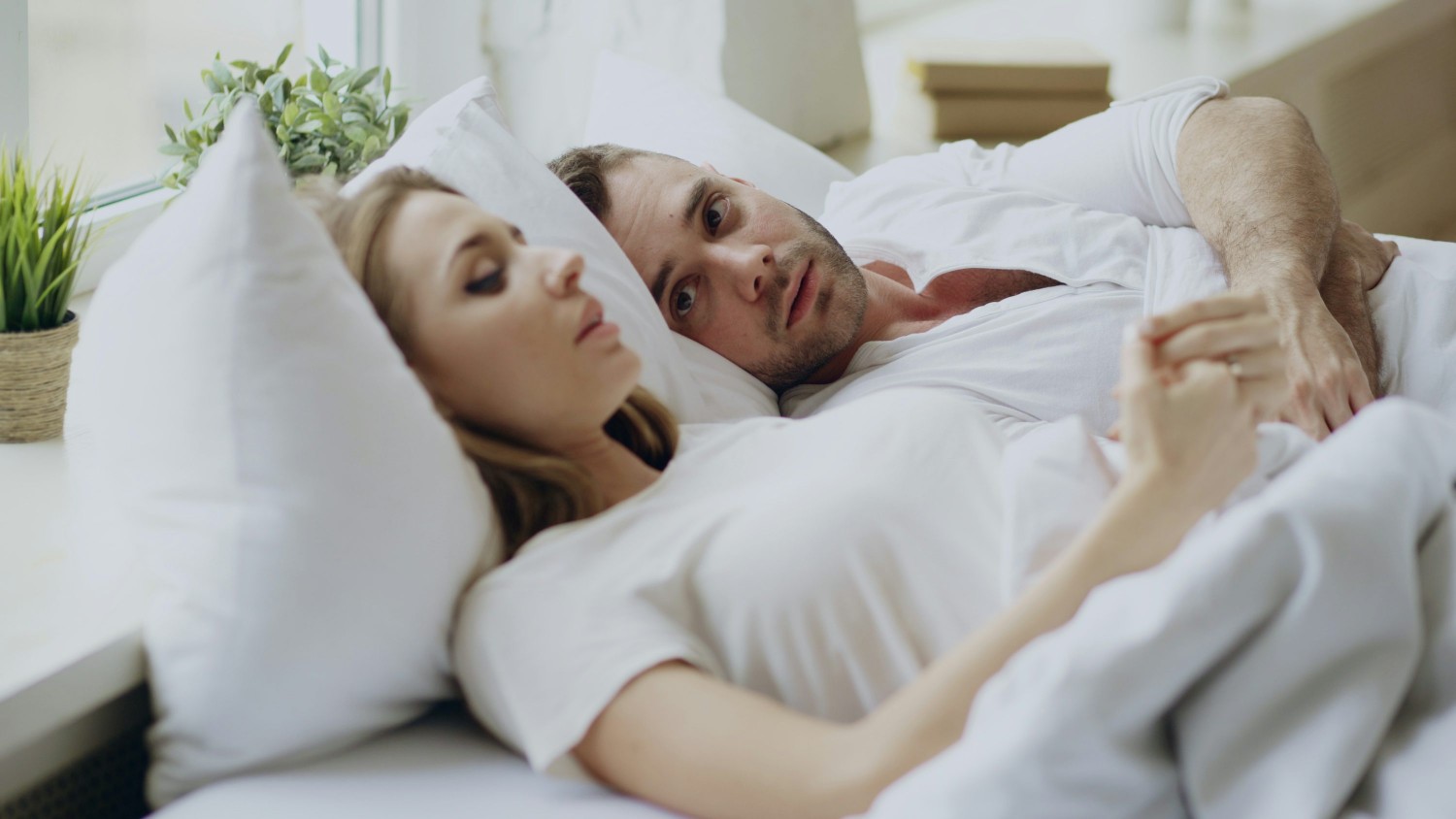
Getting enough quality sleep is essential for maintaining energy, concentration, mood, and overall well-being. However, some people continue to wake up tired even after spending enough time in bed. Loud snoring, restless sleep, morning headaches, difficulty concentrating, and excessive daytime sleepiness can sometimes point to a sleep-related breathing disorder.
Sleep apnea is a condition that causes breathing to repeatedly stop or become restricted during sleep. These interruptions can interfere with normal sleep and may affect how rested and alert you feel during the day. Recognizing the signs and understanding the available treatment options can help you take the right steps toward better sleep.
For individuals looking for Sleep Apnea Treatment Chicago IL, understanding the condition and receiving an appropriate evaluation are important first steps. Landman Dental Associates provides sleep apnea services designed to help patients understand their symptoms and explore treatment options that fit their individual needs.
What Is Sleep Apnea?
Sleep apnea is a sleep-related breathing disorder in which breathing repeatedly stops or becomes restricted while a person is sleeping. These interruptions can happen multiple times throughout the night. Some people briefly wake up or partially awaken when their breathing is interrupted, although they may not remember these episodes the next morning.
There are different types of sleep apnea. Obstructive sleep apnea is the most common and occurs when the tissues in the throat and mouth relax during sleep, narrowing or blocking the airway. Central sleep apnea is different and involves problems with the signals from the brain that control breathing.
While snoring is often associated with sleep apnea, snoring alone does not necessarily mean that someone has the condition. Likewise, not everyone with sleep apnea snores loudly. This makes it important to consider other nighttime and daytime symptoms as well.
Common Signs and Symptoms of Sleep Apnea
Recognizing the signs of sleep apnea can encourage people to seek an evaluation when something does not seem right with their sleep. Symptoms can vary from person to person, and some may be noticed by a sleeping partner rather than the individual experiencing them.
Common symptoms may include:
- Loud or persistent snoring
- Pauses in breathing during sleep
- Gasping or choking during the night
- Restless sleep
- Frequent nighttime awakenings
- Excessive daytime sleepiness
- Morning headaches
- Difficulty concentrating
- Memory problems
- Irritability or mood changes
- Unexplained fatigue
- Dry mouth after waking
- Difficulty staying alert during the day
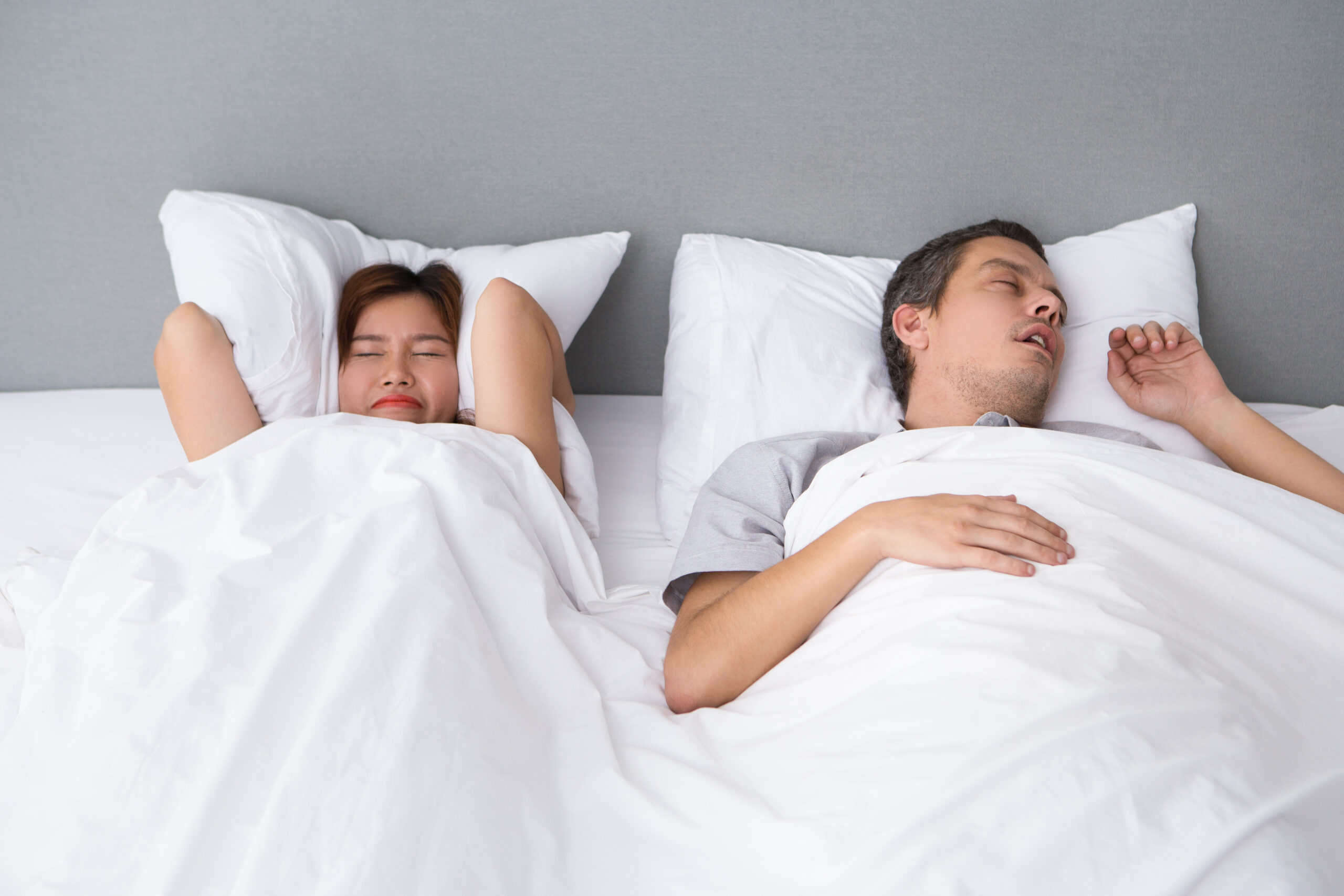
A partner or family member may notice repeated pauses in breathing, gasping, or unusual breathing patterns while someone is asleep. Because these events happen during sleep, the person experiencing them may not realize they are occurring.
If you regularly wake up feeling exhausted despite getting enough time in bed, it may be worth discussing your symptoms with a qualified professional.
What Causes Sleep Apnea?
With obstructive sleep apnea, the airway may become narrowed or blocked when the muscles and soft tissues relax during sleep.
Several factors can contribute to airway-related breathing problems. These may include anatomical characteristics, enlarged tissues, nasal or airway concerns, allergies, genetics, poor posture, and enlarged tonsils.
The specific factors involved can vary from one person to another. For this reason, identifying the potential contributors to nighttime breathing interruptions is an important part of determining an appropriate treatment approach.
It is also important to remember that not every person who snores has sleep apnea. Persistent loud snoring combined with breathing pauses, gasping, daytime fatigue, or other symptoms may deserve further evaluation.
How Common Is Sleep Apnea?
Sleep apnea is a relatively common sleep disorder, but many people may not realize they have it because the breathing interruptions occur while they are asleep.
The condition can affect both adults and children. Age, anatomy, family history, lifestyle factors, and other individual characteristics may influence a person’s risk. Children can also experience sleep-related breathing problems, which may sometimes appear as unusual snoring, restless sleep, changes in sleeping position, daytime tiredness, irritability, or concentration difficulties.
Because symptoms can differ between individuals, paying attention to changes in sleep quality and daytime behavior can be helpful.
How Is Sleep Apnea Diagnosed?
Recognizing symptoms is an important first step, but symptoms alone cannot confirm sleep apnea. A healthcare professional can evaluate the individual’s symptoms, medical history, sleep patterns, and other relevant factors to determine whether further testing may be appropriate.
A sleep evaluation may involve discussing:
- Snoring and nighttime breathing
- Observed breathing pauses
- Gasping or choking during sleep
- Daytime sleepiness and fatigue
- Morning headaches
- Sleep patterns
- Existing medical concerns
- Other factors that may affect breathing during sleep
Depending on the individual’s situation, a sleep study or additional medical evaluation may be recommended. Proper diagnosis helps determine what type of sleep-related breathing problem may be present and what treatment options may be appropriate.
How Sleep Apnea Can Affect Daily Life
Sleep apnea can affect more than nighttime rest. Repeated interruptions in breathing may fragment sleep and prevent the body from getting the restorative rest it needs.
Possible effects may include daytime fatigue, reduced concentration, memory difficulties, headaches, and mood changes. Persistent sleep disruption can also make everyday activities, work, school, and relationships more difficult.
Untreated sleep apnea has also been associated with several significant health concerns, including cardiovascular problems, high blood pressure, diabetes, stroke, and other conditions. This does not mean that everyone with sleep apnea will experience these complications, but it highlights why persistent symptoms should not be ignored.
Can Sleep Apnea Be Cured?
Many patients ask whether sleep apnea can be cured or whether it will eventually go away. The answer depends on the type of sleep apnea, its contributing factors, severity, and the individual’s circumstances.
Some people may experience improvement when certain contributing factors are addressed, while others may need ongoing management. There is no single treatment that works for every patient.
The goal is generally to identify the underlying problem and develop an appropriate approach for managing breathing during sleep. Treatment may involve lifestyle changes, positional strategies, oral appliance therapy, positive airway pressure therapy, medical care, or other approaches depending on the individual’s needs.
Persistent symptoms should not simply be assumed to disappear on their own. An appropriate evaluation can help determine whether treatment is needed.
Sleep Apnea Treatment Options
There are several sleep apnea treatment options, and the appropriate choice depends on factors such as the type and severity of the condition and the individual’s overall needs.
Treatment approaches may include:
- Lifestyle modifications
- Positional changes during sleep
- Positive airway pressure therapy
- Medical management
- Oral appliance therapy
- Other treatments recommended following evaluation
For some patients with obstructive sleep apnea, an oral appliance may be an appropriate treatment option. A dental professional can evaluate the patient’s oral and jaw structures and determine whether this type of therapy may be suitable.
How Oral Appliance Therapy Works
An oral appliance is a custom-designed dental device that may help support the airway during sleep. Depending on the design and the patient’s needs, the appliance can help position the jaw or related oral structures in a way that supports improved airflow.
Oral appliance therapy may be considered for certain patients with obstructive sleep apnea. However, it is not automatically appropriate for every individual.
A professional evaluation is important before beginning treatment. The dental team can consider the patient’s symptoms, oral structures, jaw position, and other relevant factors when determining whether an oral appliance may be appropriate.
The Role of Dental Sleep Medicine
Dentists can play an important role in identifying and managing certain sleep-related breathing concerns. The jaw, tongue, oral tissues, and airway are closely connected, allowing dental professionals to recognize certain physical characteristics that may be relevant to obstructive sleep apnea.
During an evaluation, the dental team may discuss symptoms, sleep patterns, snoring, medical history, and other concerns. When appropriate, the patient may also be referred for additional sleep or medical evaluation.
For people considering Sleep Apnea Treatment Chicago IL, working with a dental team familiar with sleep-related breathing concerns can provide an additional option for understanding available treatment approaches.
Landman Dental Associates provides sleep apnea services for both adults and children and focuses on developing care based on each patient’s individual needs.
Sleep Apnea in Children
Sleep apnea is not limited to adults. Children can also experience sleep-related breathing problems, and their symptoms may sometimes look different from those seen in adults.
Parents may notice:
- Loud or persistent snoring
- Restless sleep
- Pauses in breathing
- Gasping during sleep
- Unusual sleeping positions
- Daytime tiredness
- Irritability
- Difficulty concentrating
- Changes in behavior
Because children may not be able to clearly explain sleep-related problems, parents and caregivers should pay attention to changes in sleeping habits and daytime behavior.
Landman Dental Associates provides sleep apnea services for children as well as adults, with treatment planning based on individual circumstances.
How Can You Reduce the Risk of Sleep Apnea?
There is no guaranteed way to prevent sleep apnea because some contributing factors, such as anatomy, genetics, and age, cannot be changed.
However, maintaining healthy sleep habits and addressing factors that may contribute to airway problems can support better sleep health. Managing allergies or nasal congestion when appropriate, maintaining a healthy lifestyle, and following professional recommendations may also be beneficial.
If symptoms are already present, lifestyle changes should not replace a professional evaluation. Persistent snoring, breathing interruptions, or excessive daytime sleepiness may require further assessment.
When Should You Seek Sleep Apnea Treatment?
Knowing when to seek sleep apnea treatment can help you address potential problems sooner. Consider speaking with a qualified professional if you regularly experience:
- Loud or persistent snoring
- Observed pauses in breathing
- Gasping or choking during sleep
- Excessive daytime sleepiness
- Morning headaches
- Difficulty concentrating
- Persistent fatigue
- Restless or disrupted sleep
One particularly important sign is when someone regularly notices that you stop breathing while sleeping. Since these interruptions can occur without you being aware of them, information from a spouse, partner, parent, or family member can be useful during an evaluation.
If these symptoms are familiar, do not assume they are simply the result of stress, aging, or an occasional poor night’s sleep.
Personalized Sleep Apnea Care in Chicago
The goal of treatment is not simply to reduce snoring. Appropriate management focuses on supporting normal breathing during sleep and improving sleep quality based on the patient’s individual circumstances.
Some patients may benefit from oral appliance therapy, while others may require a different form of sleep-related or medical treatment. In certain situations, collaboration between dental and medical professionals may provide the most appropriate path forward.
Landman Dental Associates provides sleep apnea consultation and individualized care for patients experiencing concerns related to sleep and nighttime breathing.
If you have been experiencing persistent signs of sleep apnea, such as loud snoring, restless sleep, daytime fatigue, or observed breathing interruptions, discussing your concerns with a qualified professional can be an important next step.
Take the Next Step Toward Better Sleep
Quality sleep plays an important role in your energy, concentration, mood, and overall well-being. When breathing repeatedly stops or becomes restricted during sleep, the resulting disruption can affect how you feel throughout the day.
For patients seeking Sleep Apnea Treatment Chicago IL, Landman Dental Associates offers personalized sleep apnea care based on individual needs. With appropriate evaluation and treatment planning, patients can take meaningful steps toward better nighttime breathing and more restorative sleep.
If persistent snoring, fatigue, gasping, or observed breathing interruptions are affecting your sleep, consider scheduling an evaluation to discuss your symptoms and potential treatment options.
Related Posts

Sleep Apnea Treatment in Chicago, IL: A Complete Guide to Better Sleep and Health
Getting a good night’s sleep is essential for maintaining physical health, mental clarity, and overall…
Signs You Might Need Sleep Apnea Treatment
Getting a good night’s sleep is essential for your overall health, but for many people,…

Sleep Apnea Treatment: How to Find the Best Solution for You
More than just snoring, sleep apnea is a medical disorder that can cause extreme daytime…