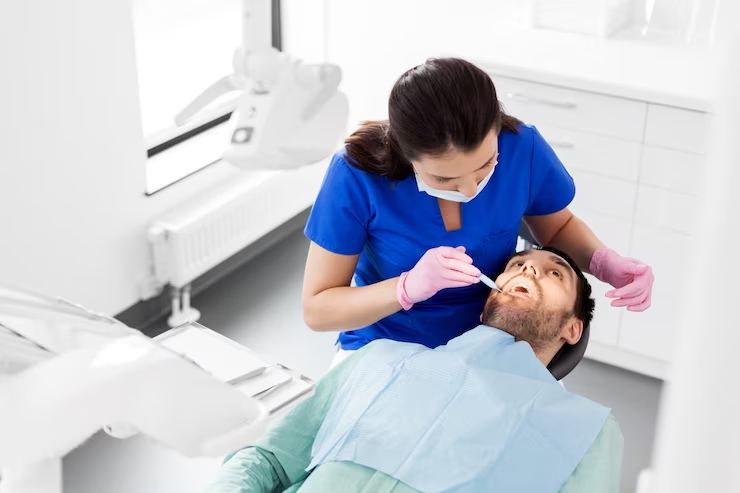



A visit to the dentist usually makes most people less excited and nervous. Some people find great stress or anxiety related to visiting the dentist. The good news is that several dentists use effective dental sedative techniques. Constant dental industry innovation helps patients have a more comforting dental session. We are going to assist you if you would like further information on sedation dentistry. Here is your all-around guide on sedation dentistry.
What is dentistry in sedation?
Sedation dentistry is used by dentists for patient relaxation during dental treatments. Minimal sedation to total anesthesia are among the several degrees of sedation. A sedation dentist can use low, moderate, or profound sedation by means of drugs. During the treatment, the patient is conscious but rather laid back. The patient is unconscious for the surgery under general anesthesia.
Dental Sedation Techniques
There are several forms of sedation dentists use these days. These consist in:
Laughing gas, inhaled sedation:
The dentist distributes nitrous oxide through a mask. During the operation, the patient breathes in the gas, which helps them to relax.
Oral sedation
Under oral sedation, the patient takes a tablet before the operation to cause drowsiness. They can follow instructions and reply, but once the process ends, they might not recall any pain.
IV Hypnosis
One gets this kind of sedation via the veins. It induces a strong state of relaxation for the patient. Hence, they might not recall the discomfort and pain.
Total Anesthesia
The patient is quite drowsy and stays unconscious all through the operation under general anesthesia. As the anesthetic fades, the patient requires a recovery period. Some dental procedures, including wisdom teeth removal, use this method for easy treatment.
Two most often used forms of dental sedation are inhaled and oral. You can drive yourself home later on if your dentist has used a sedative such as “laughing gas” during the treatment.
You will need someone to drive you home with all other kinds of anesthesia. The form of sedation will determine whether you must fast for several hours before your operation or not. Some drugs might interfere with the sedation, so you should avoid them. Unless your dentist recommends it, till then there is no need to change your medications.
Dental Sedation: Ideal Candidates
Sedation dentistry can be your choice if seeing a dentist gives you anxiety. The patients who require sedations are as follows:
- Dealing with sensitive teeth.
- Find it tough to numb with Novocain.
- Are you doing several surgeries at once?
- Experiencing strong gag reflex.
- Want dental work but worry about being placed under anesthesia?
- Small amounts of nitrous oxide are safe for youngsters. Children with severe dental anxiety or those who refuse to participate may find this helpful in relaxation. Most dentists are licensed to deliver nitrous oxide.
Conclusion
The kind of sedation you get and your body’s reaction to the medicine will determine the recovery times. Usually, those who get nitrous oxide recover in a few minutes and can drive home. Patients undergoing IV or oral sedation can need 24 hours for complete recovery. Before going back to work or a university, you should wait a whole day. Discuss with your dentist what to expect after your surgery.
Related Posts

Say Goodbye to Dental Pain with Advanced Sedation Dentistry
Does the thought of a dental visit make you nervous? You’re not alone. Many people…

Overcoming Dental Phobia with Sedation Dentistry
For many people, a trip to the dentist can trigger feelings of fear and anxiety.…

Dental Fear? No Sweat! Unveiling the Benefits of Sedation Dentistry
Dental anxiety can keep people from getting necessary dental treatment, whether it is from a…